Plant Operations Leadership
Want to know what the machine does for the line day to day.
EvaluatesUptime, throughput & maintenance burdenIndustries · Machinery & Capital Equipment
Capital equipment purchases move slowly and involve more than one signature — plant management wants uptime, finance wants payback period, and a technical evaluator wants to see the machine actually work. GlobalSDO's outreach is built for that longer, multi-stakeholder cycle rather than a quick-close SDR motion borrowed from software sales.
A single generic pitch sent to everyone on a distribution list rarely survives contact with a real capital equipment buying process. Each stakeholder is evaluating a different question, and messaging is sequenced to answer the question each one actually has.
Want to know what the machine does for the line day to day.
EvaluatesUptime, throughput & maintenance burdenNeed an argument that justifies a larger commitment internally.
EvaluatesTCO, financing & payback periodWant to see the machine actually work before they sign off.
EvaluatesPerformance data & integration riskWeigh the purchase against the wider business and supplier relationship.
EvaluatesStrategic fit & vendor relationship riskUnit price alone rarely wins a capital equipment deal, and leading with it can actually undercut a stronger position. Messaging built around total cost of ownership — maintenance costs, downtime risk, energy use and expected service life — gives finance and operations stakeholders the argument they need internally to justify a larger commitment.

Built for a decision that takes more than one signature.
Across plant operations, finance and technical evaluation.
Total cost of ownership and payback period, not just unit price.
Integrated into the outreach cadence.
Built for multi-quarter evaluation cycles.
Proof points coordinated across the cadence.
Because the sales cycle can run several quarters, consistency matters more than speed. A program built for this category is judged on whether pipeline keeps moving forward month over month, not on how many meetings land in the first two weeks.
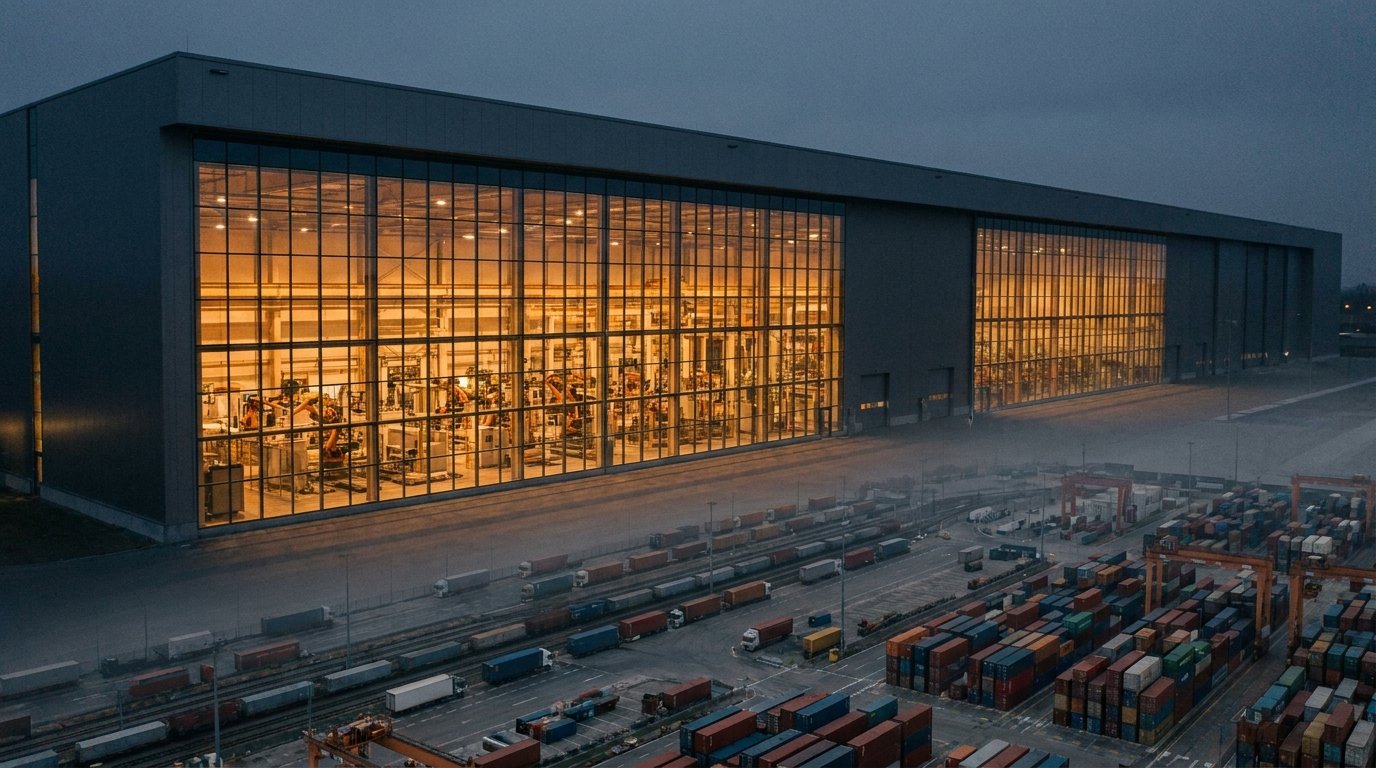
Capital equipment buyers frequently want proof before a serious conversation starts — a trade-show demonstration, a reference-site visit, or performance data from a comparable installation. That proof is built into the cadence with structured follow-through, not left as a one-off event.
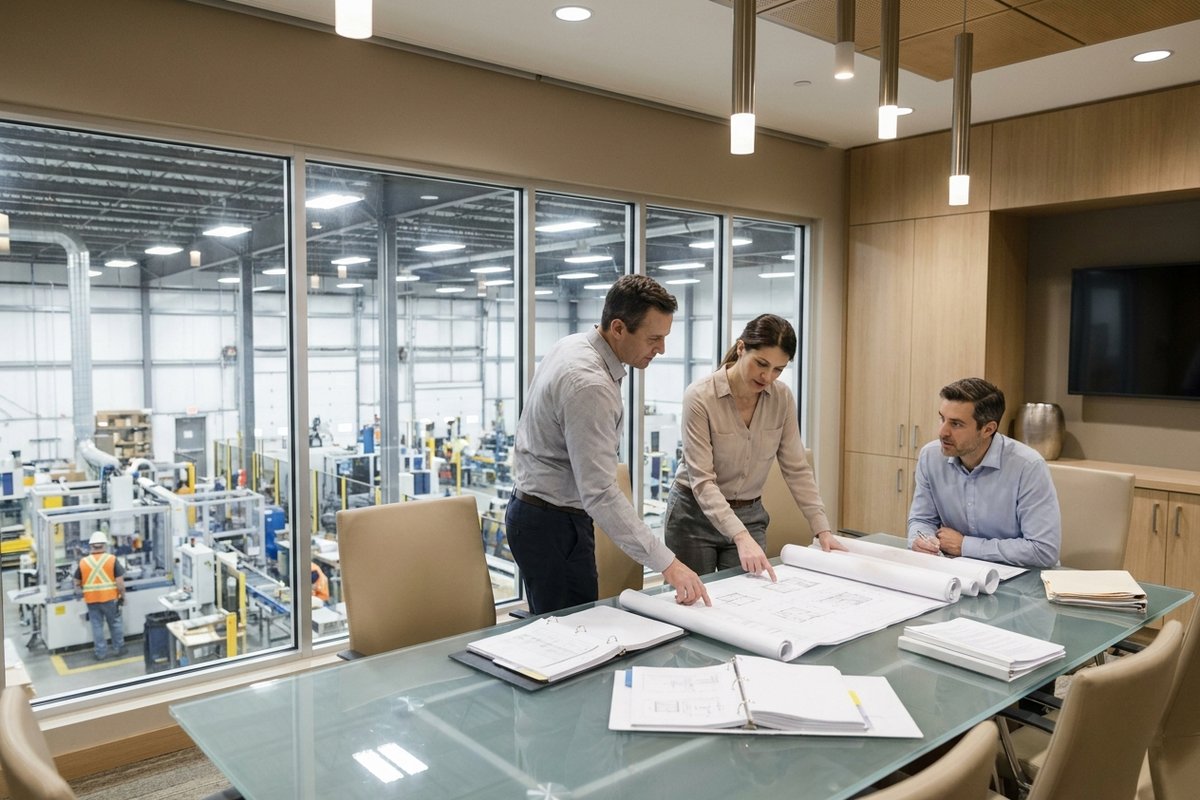
Large purchases increasingly involve financing or leasing discussions, and finance stakeholders often want this addressed early rather than after a machine has been selected. Where relevant, messaging references financing flexibility as part of the TCO conversation — one less reason to stall a deal.
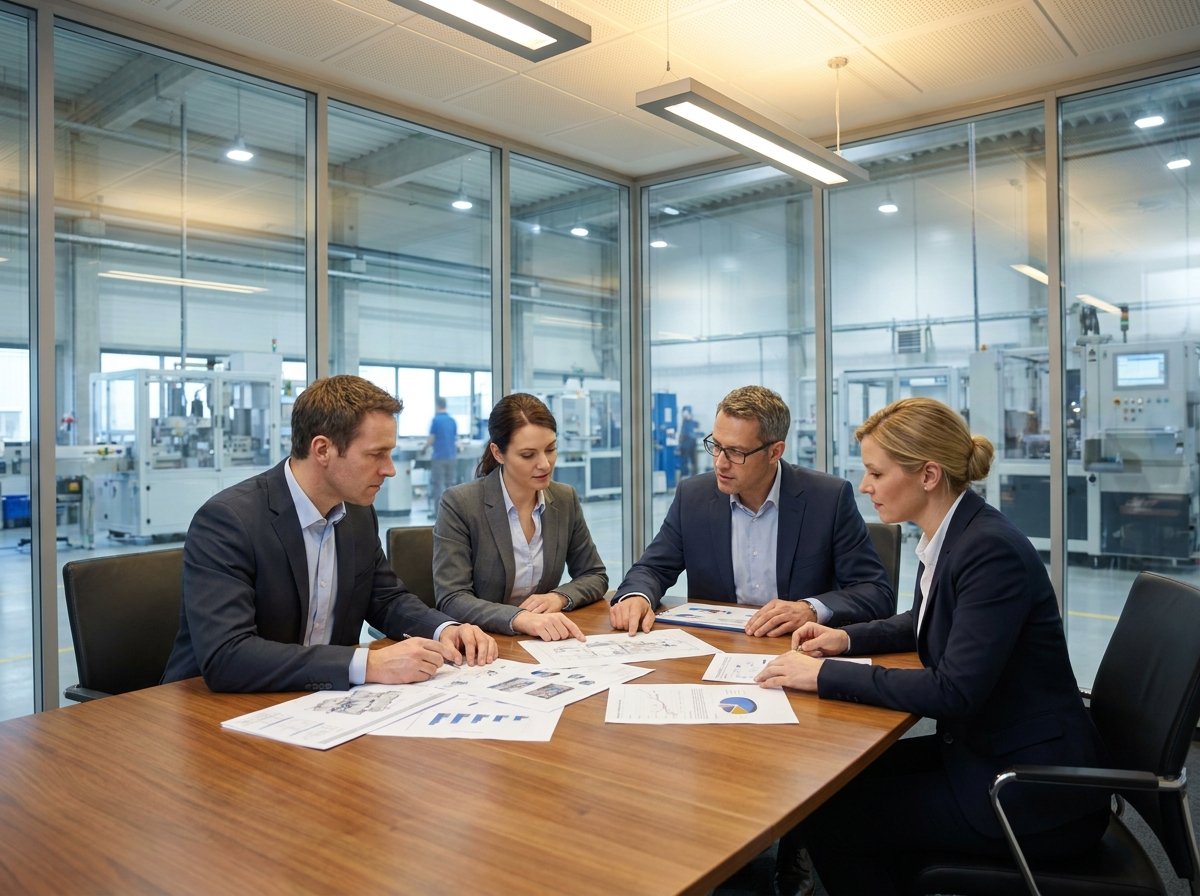
Over a multi-quarter cycle, coordination matters more than in a fast transactional motion. Account context, conversation history and stakeholder notes are handed off in full at every stage, so your team never walks into a call without knowing exactly where an account stands.
Have a question about your equipment category? Ask a sales development expert.
Capital equipment and heavy machinery exporters with a considered, multi-stakeholder sales cycle and an established reference base or demo capability, selling into markets where a formal evaluation and approval process is the norm rather than the exception.
Longer than transactional B2B — first qualified conversations often land within four to six weeks, but the full evaluation and approval cycle can run several months, so cadences are built for sustained nurture rather than a single touch.
Yes — trade-show follow-up and reference-site credibility are commonly built into the cadence, since capital-equipment buyers often want proof before a serious conversation starts.
Yes — buying-committee mapping is standard for this category, with messaging and follow-up coordinated across operations, finance and technical roles rather than a single point of contact.
Long-cycle nurture sequencing is built to keep stalled accounts warm with relevant proof points and check-ins, rather than letting them go cold between quarterly touchpoints.
Talk to a Sales Development Expert about your equipment, your reference base and the buying committees you need to reach.
Tell us about your target markets and your product category. We will outline how a programme would work for your sector and your export goals.